Why White Paint Turns Yellow in QLD — And How to Stop It

The most effective way to stop white paint from turning yellow is to use a latex (water-based) paint rather than oil-based, and to manage light, moisture, and chemical exposure in the room.
Oil-based paints are incredibly durable — you can scrub them again and again without affecting their colour or finish. But some of the chemicals used in oil-based formulas can cause them to yellow over time, and in South East Queensland's heat and humidity, that process happens faster than most homeowners expect. If your paint is white, even slight yellowing can noticeably affect how a room looks.
Here's what Brisbane and Gold Coast homeowners can do about it.
Why White Paint Turns Yellow
The most common cause of this phenomenon is exposure to sunlight, which can cause certain types of paint to oxidise and change colour over time. Additionally, environmental factors such as excessive moisture, high temperatures, and cigarette smoke can also contribute to this yellowing process. Moreover, certain chemicals in the paint, including alkyd and solvent-based paints, may react over time with white pigments, leading to yellowing. This is a well-documented issue — Dulux Trade's technical advice confirms that yellowing is a natural characteristic of alkyd (oil-based) enamel paints used indoors, particularly in areas with limited light exposure. You can also check Dulux Trade's technical advice on enamel yellowing for more ideas.
If you are noticing your white walls turning yellow, it's important to identify the potential causes so you can take the appropriate steps to address them and prevent further discolouration.
Choose Latex Paint for Long-Lasting White Walls
We examined the pros and cons of water- and oil-based paints in a previous article. One of the key advantages of opting for latex (water-based) paint over oil-based paint is its capacity to remain true to colour, despite environmental factors.
So, if you have the choice, use latex paint instead. That way, you can be 100% sure your white paint will stay bright for years to come.
Use Natural Light to Slow Yellowing
Light – both natural sunlight and artificial light – can significantly slow down the yellowing process, and can even reverse it. Brisbane is one of the sunniest cities in Australia, which works in your favour here.
In well-lit Queensland homes, oil-based white paint tends to hold its colour far better than in darker, poorly ventilated spaces. With this in mind, reserve oil-based paints for rooms that receive good natural light throughout the day.
In darker rooms or south-facing spaces, strategically placed mirrors can help amplify available light, and a solid artificial lighting plan can make up the difference.
If you're unsure which paint type suits a specific room in your Brisbane home, a Brisbane interior painter can assess the light conditions and recommend the right product before you commit to a colour.
Where You Use White Paint Matters
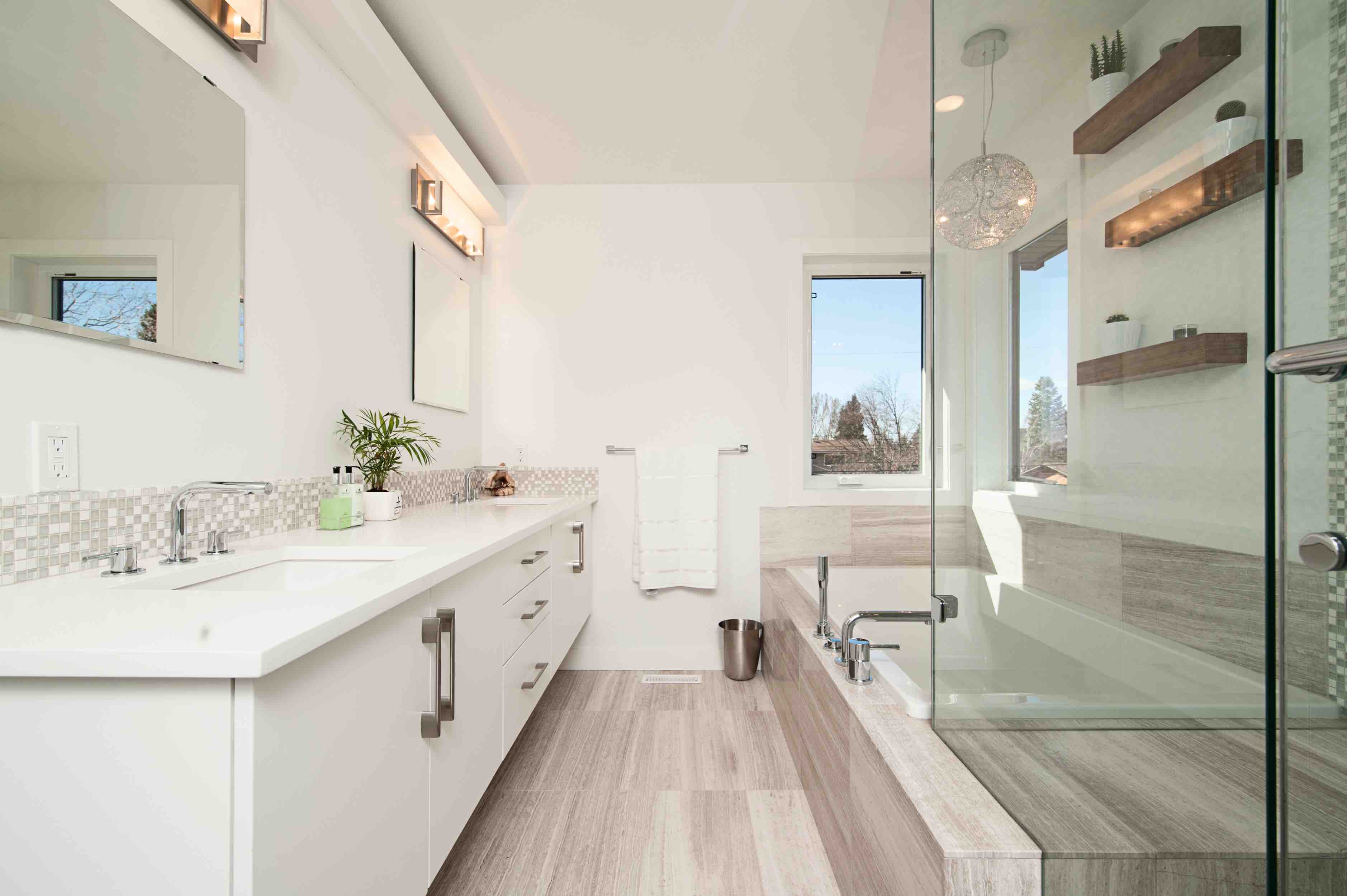
Oil-based paint offers excellent durability against water damage repair and mildew, which is why it’s a popular choice in kitchens and bathrooms. If that’s where you have decided to use white oil-based paint, pay careful attention to its location.
Avoid painting areas directly next to white countertops, tiles, or cabinets. These will stay bright white for years, as they contain powerful anti-yellowing chemicals. If your white paint exhibits even the slightest amount of yellowing, it will be extremely apparent against the stark white of neighbouring features.
This is a common issue in Brisbane bathroom and kitchen renovations. Getting the paint selection right from the start — particularly in rooms with white joinery or stone benchtops — is something an experienced Brisbane painter can help you plan before the job begins.
Avoid Ammonia Near Oil-Based White Paint
Don’t use ammonia to clean rooms and areas that are painted with oil-based paints, as ammonia is known to speed up the yellowing process.
What’s more, if you are using a mix of oil- and water-based paints, be sure to apply all water-based paints first. Water-based paints release ammonia into the air as they dry, causing your fresh coat of oil-based paint to yellow prematurely.
Control Moisture and Heat to Protect White Paint
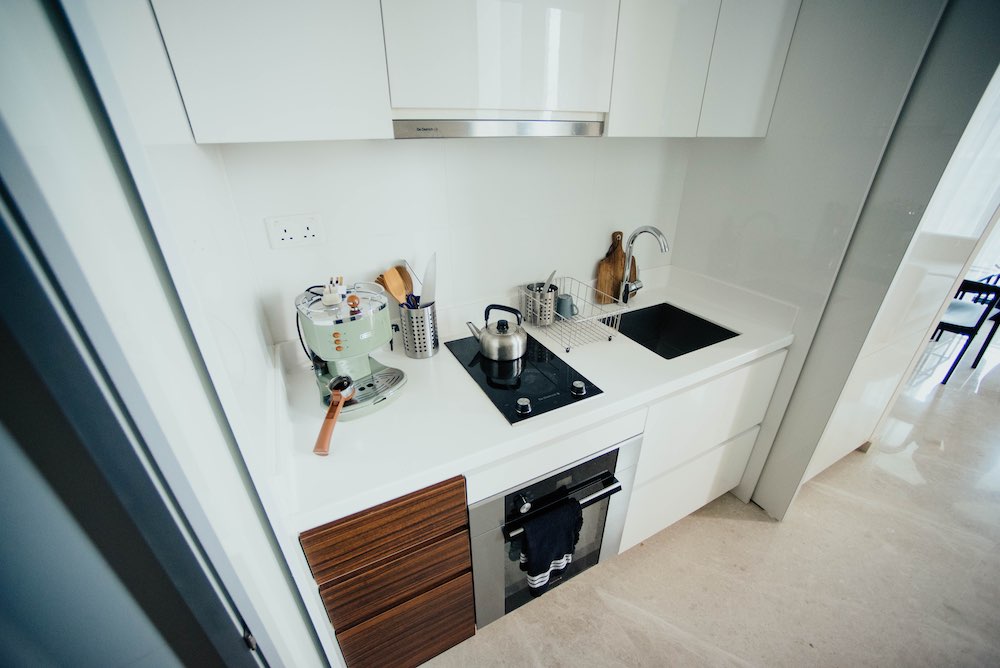
Different environmental factors can speed up the yellowing process.
Take moisture, for example. It can sneak into the paint, especially in humid spaces like bathrooms, kitchens, and basements, triggering a reaction that slowly but surely turns your white paint yellow. But don't worry, there's an easy fix. Installing a good exhaust fan can do wonders to increase ventilation and prevent excess moisture. Just make sure that the fan's capacity matches your room size for the best results. You can also consider using a dehumidifier in these areas. It can make a big difference, especially during those humid months. Having an overhead exhaust fan in your kitchen is also an effective countermeasure for preventing airborne cooking grease from settling onto your walls and ceilings and giving your paintwork a yellowish hue.
And finally, let's talk about cigarette smoke. The nicotine it contains can leave a yellowish residue on your walls over time, taking the shine off your white paint. So what's the best way to tackle this? Simply avoid smoking indoors. Prevention, in this case, is indeed better than a cure.
When to Call a Professional Painter in Brisbane or the Gold Coast
DIY fixes work well for minor yellowing, but Queensland conditions can push paint problems beyond what a touch-up will solve.
It's worth calling in a painter if you're dealing with:
- Yellowing that keeps coming back — in South East Queensland's humidity, if moisture is getting into the wall cavity, repainting over the problem won't fix it
- Flaking or bubbling alongside discolouration — common in older Brisbane homes where oil-based enamel was applied over incompatible primers or directly onto unprepared surfaces
- Bathrooms and kitchens in high-humidity postcodes like areas near the bay or river, where poor ventilation accelerates yellowing significantly faster than inland homes
- New builds or recent renovations where the painter used oil-based paint in a low-light room — a common oversight that shows up within 12–18 months in QLD's climate
- White walls adjacent to white joinery or tiles — the contrast makes even slight yellowing obvious, and spot-repainting rarely blends well enough without a full wall repaint
A professional painter can identify whether the cause is paint type, ventilation, moisture ingress, or application error — and recommend the right fix for your home's specific conditions.
If you're in Brisbane, Logan, the Gold Coast, or the Redlands, the team at Kraudelt Painting can assess and repaint. Call 0423 018 747.
